Thursday, 10 April 2014

EASTER CRAFTS

4th graders are making an Easter Egg Mosaic. 
They had to cut little square piaces of magazine paper as a first step.
In the next session, they made their own design on the egg and then, they pasted the little squares of the same colour together.
It's a long and detailed work, but...they can do it!


NICE work! 


Wednesday, 9 April 2014

EVERYBODY HAS QUALITIES (Galician & English languages project)

Today, we have been working on the "personal qualities" everybody has.
The oldest students, 5th and 6th graders, have written positive qualities about their partners.
They've written adjectives on colourful "post-its" and they've pasted on a Galician language project about the same idea.


They´ve pasted the adjectives inside the name´s circle, the English adjectives are mixed up with the Galician/Spanish adjectives. 


A wonderful project to work on differences or similarities about the group particularities, also about individual identity.


Thursday, 3 April 2014

Easter 2014

 Easter craft  for next week, we'll try it with first and second graders.
If you tick on the link you can follow the directions.

Tick on Easter to see more directions.


Easter Craft Ideas for Children: Easter Egg Mosaic


Decorate for Easter with these simple Easter Egg Mosaics!  Children of all ages can have fun making their own designs on the eggs, and it’s a great activity to help preschoolers learn their colours.  Except for the glue, these mosaics don’t cost anything to make, and can be made entirely from recycled materials.

What you need:

  • Used cereal box
  • Scissors (safety scissors for little ones)
  • Old magazines, catalogs, flyers, or any scrap paper with bright colours
  • Glue stick or PVA glue & brush
  • String or ribbon for hanging

What to do:

  1. Go through the magazines etc. and cut out pieces of different colours and sort by colour
  2. Draw an egg shape on the cardboard and cut it out
  3. Draw a design on the egg shape, keeping it simple for younger kids (older children may like to draw their own design)
  4. Decide what colour you want to place in each part of the design
  5. Put glue on the egg, one section of the design at a time, and stick the pieces of coloured paper onto the egg
  6. When the glue is dry, make a hole at the top of the egg and thread the ribbon through
  7. Hang as a decoration for Easter!
Related : More Easter crafts in 8 Fun Easter Crafts for Kids. Lots more ideas in 50 Easter Activities for Kids


Easy Easter craft for the oldest students to do freely, with no directions.
They are glad to use recycle paper rolls and decorate them however they want to.

Tirán kids are great artists, you'll see it soon. We'll upload their creations...
You'll get surprised!!


Here you have two YouTube videos about Easter.


ART is wonderful and surprising everywhere.


Easter Eggs hunging on a tree.
 The eggs are coloured by families and kids and they decorate trees for Easter.


EASTER BUNNY
If you click on this YouTube link you can follow directions to create an Easter Bunny Mask


EASTER BUNNY STORY

  The oldest students'll work through internet using this link to know more information about the story of Easter Bunny.

Banana fabric


TEXTS for the oldest students to work with

BANANA FABRIC

Offset Warehouse Exclusive

image
Always on trend and looking for exclusive, luxury fabrics to share with their customers,Offset Warehouse is excited to reveal their brand new Banana FabricsTextured Black & White Banana and Thick Basket Weave Banana.
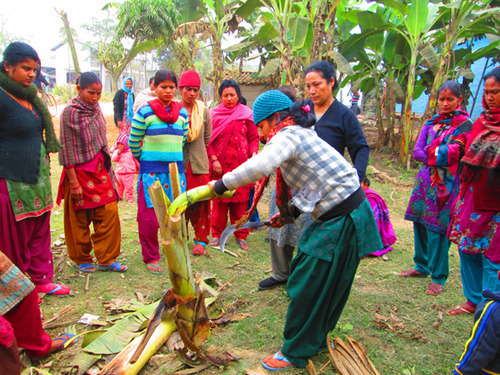
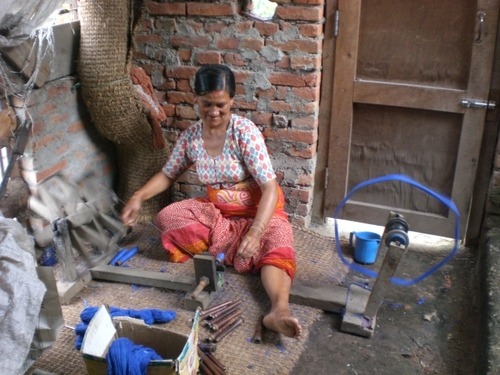
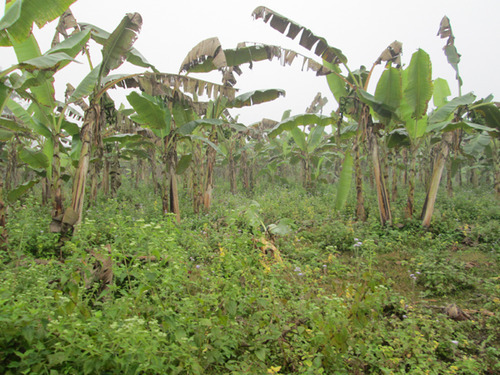
The Banana fibres used in fabric making are primarily a waste product; they come from the leftover stalks of banana plants after they have been harvested for food.
The stalk of a banana plant contains long fibrous strands that are perfect for processing into pliable fibres.  The outer layers contain course fibres, great for weaving into baskets, whilst the inner finer layers are perfect for spinning into luxurious silks.
The separate sheaths in the stalk are first removed by chopping.
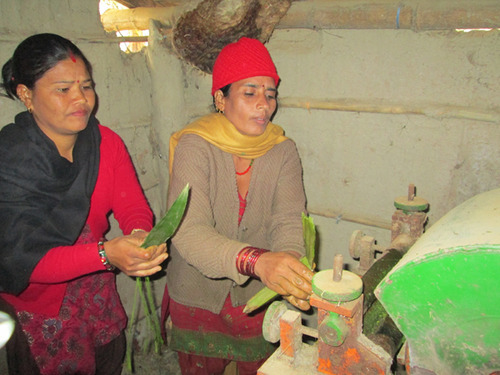
Then the strands are extracted by pressing in roller and scraping with blades until the pulp and extra bits of plant tissue have been removed.
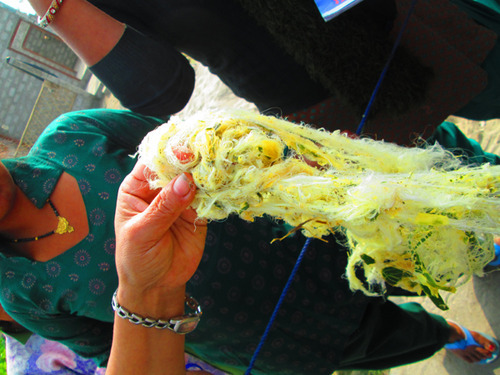
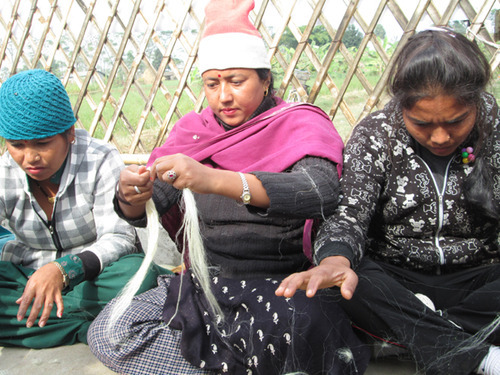
The fibres are then boiled, washed, dried and carded, (which is a bit like combing) to separate and make them straight and ready for spinning on the charkha into beautiful yarn for weaving.
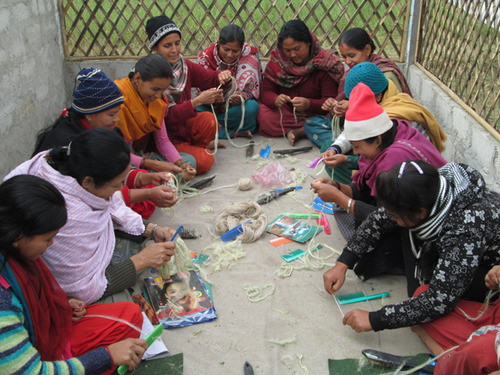
From extracting the banana fibres, to spinning the yarn, to weaving, these banana fabrics are entirely handmade. They are incredibly soft, durable, luxurious and ideal for both soft furnishings and fashion.
 They can be bought by the metre directly from the online shop, www.offsetwarehouse.com, with samples available for you to test first, and are on sale for an amazing price. Offset Warehouse deliver world wide and offer a range of shipping options from Royal Mail 2nd Class to Courier.
Hand-woven using thick banana yarns that have been dyed before weaving (commonly referred to as yarn-dyed) this thick, warm fabric has been created using two different coloured yarns for the warp and weft, giving it a wonderful depth and mottled texture.  It is matte, thick and sturdy, with an amazing drape.
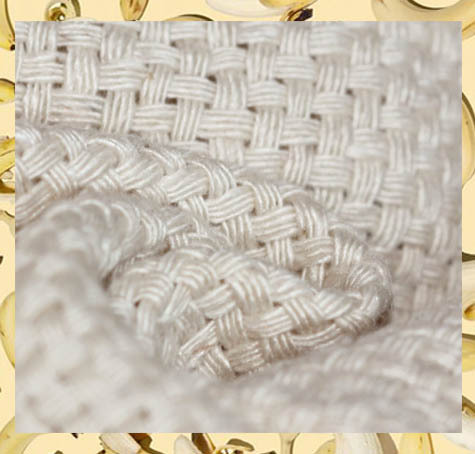
In its beautiful, natural, cream colour, this is a completely unique fabric.  Thick banana yarns are hand woven in a loose basket weave construction.  The twisted yarn gives it a subtle sheen, and it virtually glows! This thick, matte fabric is one of the most exciting fabrics we have seen in a while.
image
Banana is a fantastic, natural textile for both fashion and interiors. As well as being warm, thick, matte and durable, it is biodegradable and has high moisture absorption properties, which mean it is a great summer fabric.
Whilst Banana fibres are quite similar to bamboo, the fibres are slightly courser and naturally uneven. This makes them much more durable and easier to spin.The natural texture and feel is unique to the banana tree and therefore make a truly unique product.
Banana fabric is great alternative to some of the other more polluting and high intensity processed fabrics. Banana plants often do not require pesticides or fertilizers when grown in the tropics. Being a waste product of the food industry, these stalks that were once often just thrown away are being used as a new valuable resource with very little extra cultivated acreage being required. They are also often cultivated by small farmers who own their land.
The fabrics are the perfect texture and quality to create tailored jackets, skirts and trousers, and are perfectly suitable for soft furnishings such as cushions and throws. The hand-woven nature, make our banana fabrics exclusive and beautiful as well as upholding Offset Warehouse’s ethical values. 
image
Both Banana Fabrics are hand-woven by a registered Nepalese NGO. Amongst other benefits, this means that the workers who create these wonderful textiles are working in safe conditions and being paid fairly. 
The textiles are also almost 100% carbon neutral - virtually unheard of in this day and age. The skills are passed down through generations, keeping traditions alive and a sustainable and steady income for communities. Offset Warehouse is dedicated to providing socially and environmentally responsible textiles, and these banana fabrics are no different.
 For more on our company and fabrics: www.OffsetWarehouse.com
For more information and high res images please email: charlie@offsetwarehouse.com or call: 07737 589 588
 COMPANY/STOCKIST INFORMATION
image

Wednesday, 2 April 2014

World AUTISM Awareness Day, 2 April 2014


Tick on Autism If you want to get information about Autism Awareness in the world.


What Is Autism?

What Is Autism? What is Autism Spectrum Disorder?

 Autism spectrum disorder (ASD) and autism are both general terms for a group of complex disorders of brain development. These disorders are characterized, in varying degrees, by difficulties in social interaction, verbal and nonverbal communication and repetitive behaviors. With the May 2013 publication of the DSM-5 diagnostic manual, all autism disorders were merged into one umbrella diagnosis of ASD. Previously, they were recognized as distinct subtypes, including autistic disorder, childhood disintegrative disorder, pervasive developmental disorder-not otherwise specified (PDD-NOS) and Asperger syndrome. 

ASD can be associated with intellectual disability, difficulties in motor coordination and attention and physical health issues such as sleep and gastrointestinal disturbances. Some persons with ASD excel in visual skills, music, math and art.

Autism appears to have its roots in very early brain development. However, the most obvious signs of autism and symptoms of autism tend to emerge between 2 and 3 years of age. Autism Speaks continues to fund research on effective methods for earlier diagnosis, as early intervention with proven behavioral therapies can improve outcomes. Increasing autism awareness is a key aspect of this work and one in which our families and volunteers play an invaluable role. Learn more …

How Common Is Autism?

Autism statistics from the U.S. Centers for Disease Control and Prevention (CDC) identify around 1 in 68 American children as on the autism spectrum–a ten-fold increase in prevalence in 40 years. Careful research shows that this increase is only partly explained by improved diagnosis and awareness. Studies also show that autism is four to five times more common among boys than girls. An estimated 1 out of 42 boys and 1 in 189 girls are diagnosed with autism in the United States.

ASD affects over 2 million individuals in the U.S. and tens of millions worldwide. Moreover, government autism statistics suggest that prevalence rates have increased 10 to 17 percent annually in recent years. There is no established explanation for this continuing increase, although improved diagnosis and environmental influences are two reasons often considered. Learn more …

What Causes Autism?

Not long ago, the answer to this question would have been “we have no idea.” Research is now delivering the answers. First and foremost, we now know that there is no one cause of autism just as there is no one type of autism. Over the last five years, scientists have identified a number of rare gene changes, or mutations, associated with autism. A small number of these are sufficient to cause autism by themselves. Most cases of autism, however, appear to be caused by a combination of autism risk genes and environmental factors influencing early brain development.

In the presence of a genetic predisposition to autism, a number of nongenetic, or “environmental,” stresses appear to further increase a child’s risk. The clearest evidence of these autism risk factors involves events before and during birth. They include advanced parental age at time of conception (both mom and dad), maternal illness during pregnancy and certain difficulties during birth, particularly those involving periods of oxygen deprivation to the baby’s brain. It is important to keep in mind that these factors, by themselves, do not cause autism. Rather, in combination with genetic risk factors, they appear to modestly increase risk.

A growing body of research suggests that a woman can reduce her risk of having a child with autism by taking prenatal vitamins containing folic acid and/or eating a diet rich in folic acid (at least 600 mcg a day) during the months before and after conception.  

Increasingly, researchers are looking at the role of the immune system in autism. Autism Speaks is working to increase awareness and investigation of these and other issues, where further research has the potential to improve the lives of those who struggle with autism. Learn more …

What Does It Mean to Be “On the Spectrum”?

Each individual with autism is unique. Many of those on the autism spectrum have exceptional abilities in visual skills, music and academic skills. About 40 percent have average to above average intellectual abilities. Indeed, many persons on the spectrum take deserved pride in their distinctive abilities and “atypical” ways of viewing the world. Others with autism have significant disability and are unable to live independently. About 25 percent of individuals with ASD are nonverbal but can learn to communicate using other means. Autism Speaks’ mission is to improve the lives of all those on the autism spectrum. For some, this means the development and delivery of more effective treatments that can address significant challenges in communication and physical health. For others, it means increasing acceptance, respect and support.


CEIP PLURILINGÜE TIRÁN

Grammar: Past Simple (regular & irregular)


SPECIAL HELPING VERBS


       VERB TO BE


 Links to learn TO BE verb             


        DIFFERENCES BETWEEN 
      REGULAR & IRREGULAR VERBS


       1. REGULAR VERBS


When you´ve already learned the simple past grammar, you can practice on line different exercises.

PAST SIMPLE EXERCISES ON LINE, click on them:


2. IRREGULAR VERBS  to learn     


  VIDEOS for you to learn Past Simple.


Sing alone with these past simple pieces of songs .


GAMES TO PRACTICE & ENJOY


You can enjoy practicing irregular verbs  with your partner using this funny game.


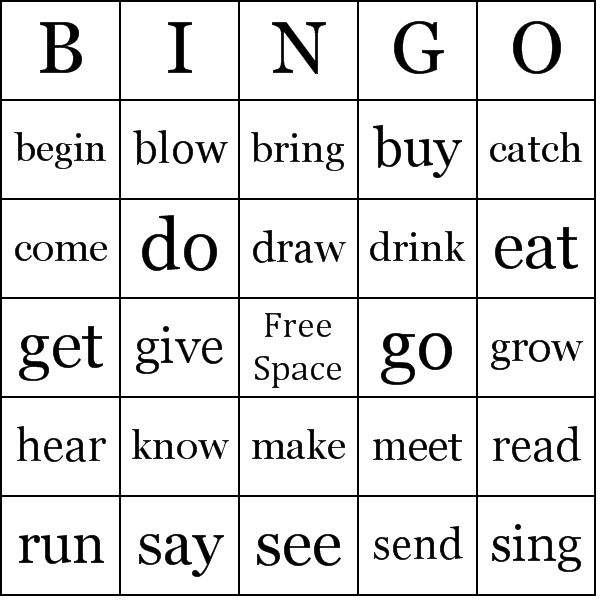
you can also play BINGO.


Tuesday, 1 April 2014

SPRING


We say goodbye Winter, welcome SPRING.
In  Spring, thousands of Rains, 
But we love it the same.


We are Happy about your coming! You'll be here till June.